首頁
1
行銷專區
2
Taiwan Food
3
Taiwanese Sausage in a Sticky Rice Bun: A Night Market Classic4
https://www.lk168.url.tw/ AI肯數位行銷
AI肯數位行銷 彰化縣永靖鄉五福村五常巷142號
Taiwanese Savory Rice Pudding: Traditional Wa Gui and Local Flavors A small bowl of steamed rice batter, savory ingredients and a drizzle of sauce introduces a traditional Taiwanese snack. Taiwanese savory rice pudding, also known as wa gui, is enjoyed for its delicate rice flavor, soft texture and variety of fillings and toppings. Across Taiwan, shops prepare their own versions. Some highlight a lightly seasoned rice base, while others bring richer flavors into the pudding itself. Exploring those differences is part of discovering Taiwan's everyday food culture. Watch: Taiwanese Savory Rice Pudding in 30 Seconds Discover this traditional snack through its steamed rice base, savory fillings and tasting experience. The short English-language video offers an introduction to a dish with many local interpretations. Watch Taiwanese Savory Rice Pudding on YouTube What Is Wa Gui? Wa gui is a savory rice-based snack traditionally prepared in small bowls. Rice is soaked and ground into a batter, or rice flour is used according to the recipe. The batter is prepared, portioned into bowls and steamed until set. The result is a smooth, cohesive rice pudding with a soft, gently springy bite. Unlike a bowl of cooked rice, its rice base does not retain separate grains. Although the English name includes "pudding," this introduction focuses on the savory snack. The Rice Base Shapes the Texture Long-grain, non-glutinous rice is commonly used in traditional preparations. The choice of rice, batter consistency and steaming process all influence the finished texture. Some versions are particularly tender, while others have a firmer, more springy bite. A spoonful lets you appreciate both the delicate rice flavor and the savory ingredients around it. Pork, Mushrooms, Egg and Other Savory Ingredients Depending on the shop, fillings or toppings may include pork, minced pork, shiitake mushrooms, shrimp, preserved radish, fried shallots, egg or salted egg yolk. These are possible ingredients, rather than a fixed list used in every bowl. Some ingredients are incorporated into the rice base, while others appear as fillings or toppings. Cutting into the pudding can reveal a different combination from the one visible on its surface. Vegetarian versions are also available, with ingredients such as mushrooms and preserved radish. If you follow a vegetarian diet or avoid particular ingredients, ask the shop about both the pudding and its sauce before ordering. Local Styles Offer Different Colors and Flavors Taiwanese savory rice pudding varies across regions and individual shops. Some versions have a pale rice base with savory toppings, while others gain a darker color from seasonings or ingredients mixed into the batter. Southern Taiwanese versions, including many found in Tainan, may feature richly seasoned meat and other fillings. However, local differences are not absolute rules: shops in the same area can prepare noticeably different bowls. Compare the rice texture, filling, seasoning and sauce to discover the style you enjoy most. Sauce and Garlic Complete the Experience A soy-based sauce often accompanies wa gui. Its thickness, sweetness and saltiness depend on the shop's recipe. Garlic or chili may also be offered. Try a little of the rice pudding first, then combine the next spoonful with sauce and filling. This makes it easier to notice how the flavors complement one another. How to Enjoy Taiwanese Savory Rice Pudding Use a spoon or the utensil provided to cut into the rice pudding and reveal its fillings. Taste a small portion of the rice base to appreciate its flavor and texture. Combine rice pudding, filling and a little sauce in the next bite. Add garlic or chili to your preference if the shop offers them. Enjoy it on its own or with a soup or side dish from the shop's menu. Discover a Traditional Taste of Taiwan Explore local snack shops and discover how a simple rice base becomes a flavorful bowl. From delicate rice aromas to savory fillings and house-made sauces, each version offers something different to enjoy. Welcome to Taiwan to taste this traditional savory rice pudding! The images and video on this page are AI-generated illustrations for food and cultural storytelling. Actual recipes, ingredients, portions and presentation vary by shop. This page does not represent a specific vendor. AI Ken Digital MarketingDiscover Taiwan through food and visual storytelling. https://www.lk168.url.tw/ https://www.lk168.url.tw/hot_541079.html Taiwanese Savory Rice Pudding: Traditional Wa Gui and Local Flavors 2026-10-20 2027-10-20
AI肯數位行銷 彰化縣永靖鄉五福村五常巷142號 https://www.lk168.url.tw/hot_541079.html
https://schema.org/EventMovedOnline https://schema.org/OfflineEventAttendanceMode
2026-10-20 http://schema.org/InStock TWD 0 https://www.lk168.url.tw/hot_541079.html

相關連結:https://www.lk168.url.tw/

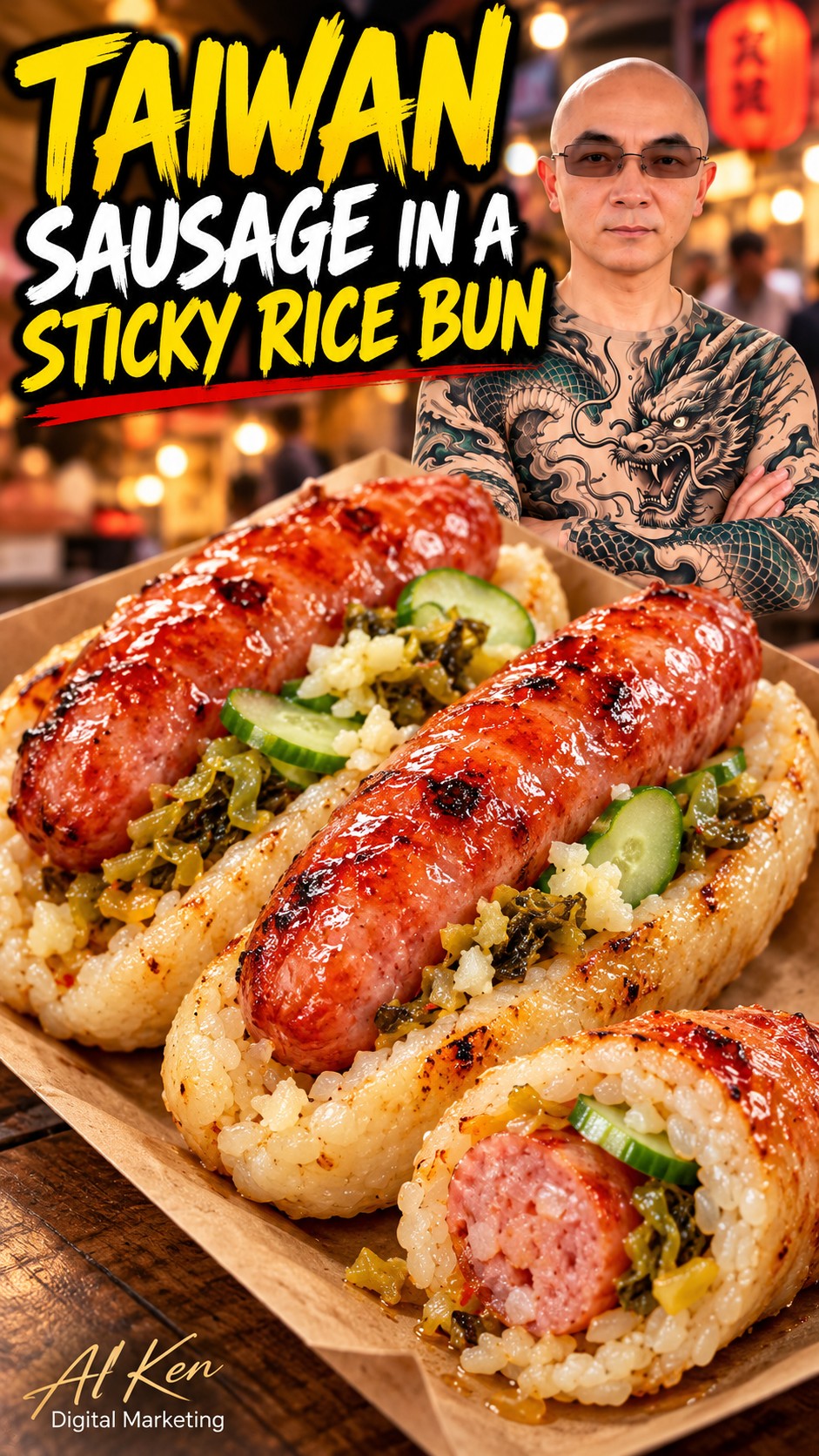
Taiwanese Sausage in a Sticky Rice Bun: A Night Market Classic

Chewy sticky rice, grilled pork sausage and flavorful toppings come together in one distinctive Taiwanese snack. Taiwanese sausage in a sticky rice bun, known locally as Da Chang Bao Xiao Chang, is a delicious introduction to Taiwan's night market food culture.

The idea is simple: a larger sticky rice sausage is split lengthwise and used to hold a smaller Taiwanese pork sausage. Garlic, pickled vegetables and sauces can add another layer of flavor, with combinations varying from stall to stall.
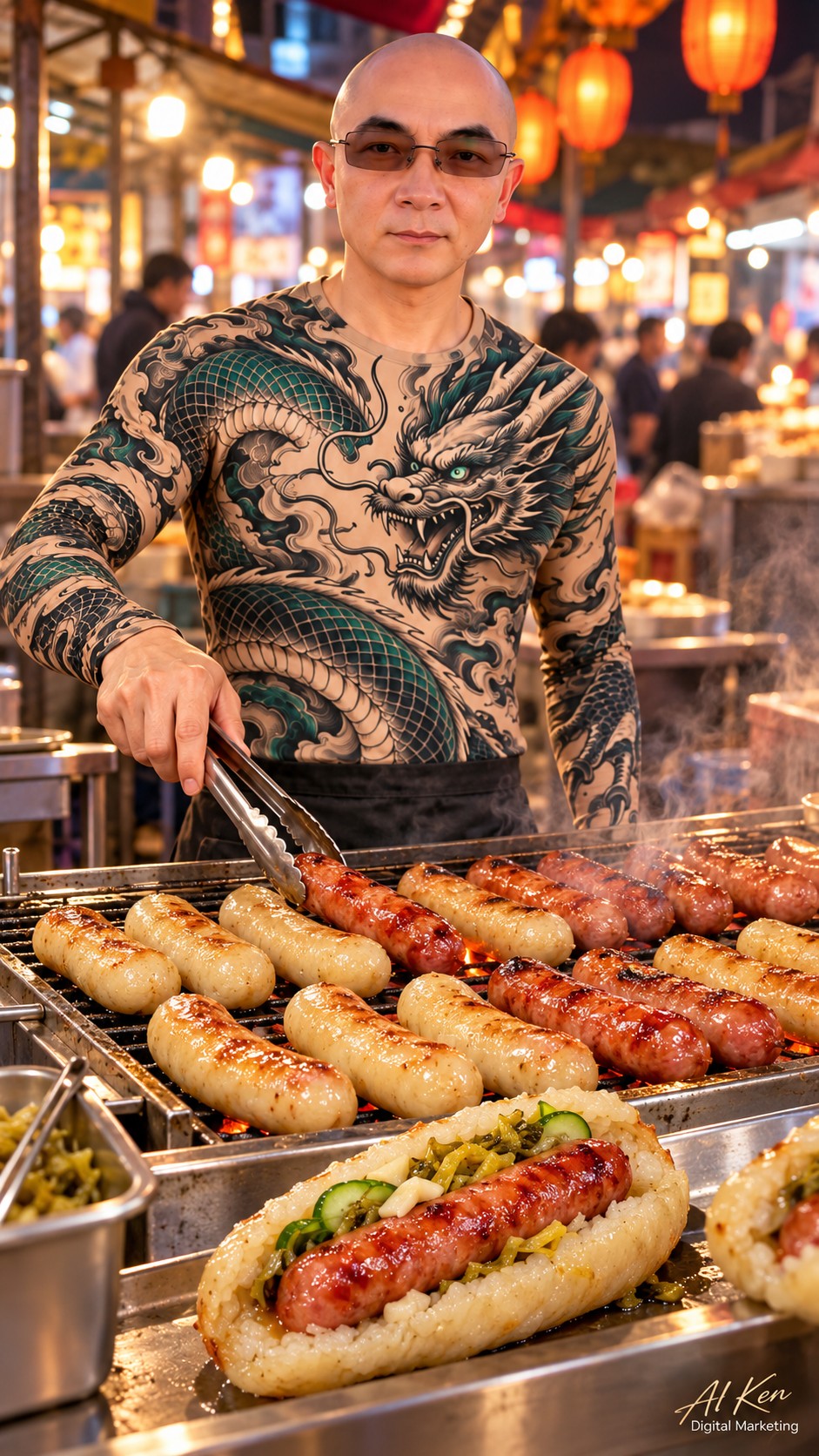
AI-created Taiwanese sausage and sticky rice sausage grilling scene with AI Ken

Watch: A Taiwanese Night Market Favorite in 30 Seconds

Follow this English-language introduction from the grill to the assembled snack and a final bite. Look closely at the rice grains, grilled sausage and contrasting textures.

Watch Taiwanese Sausage in a Sticky Rice Bun on YouTube

What Is Da Chang Bao Xiao Chang?

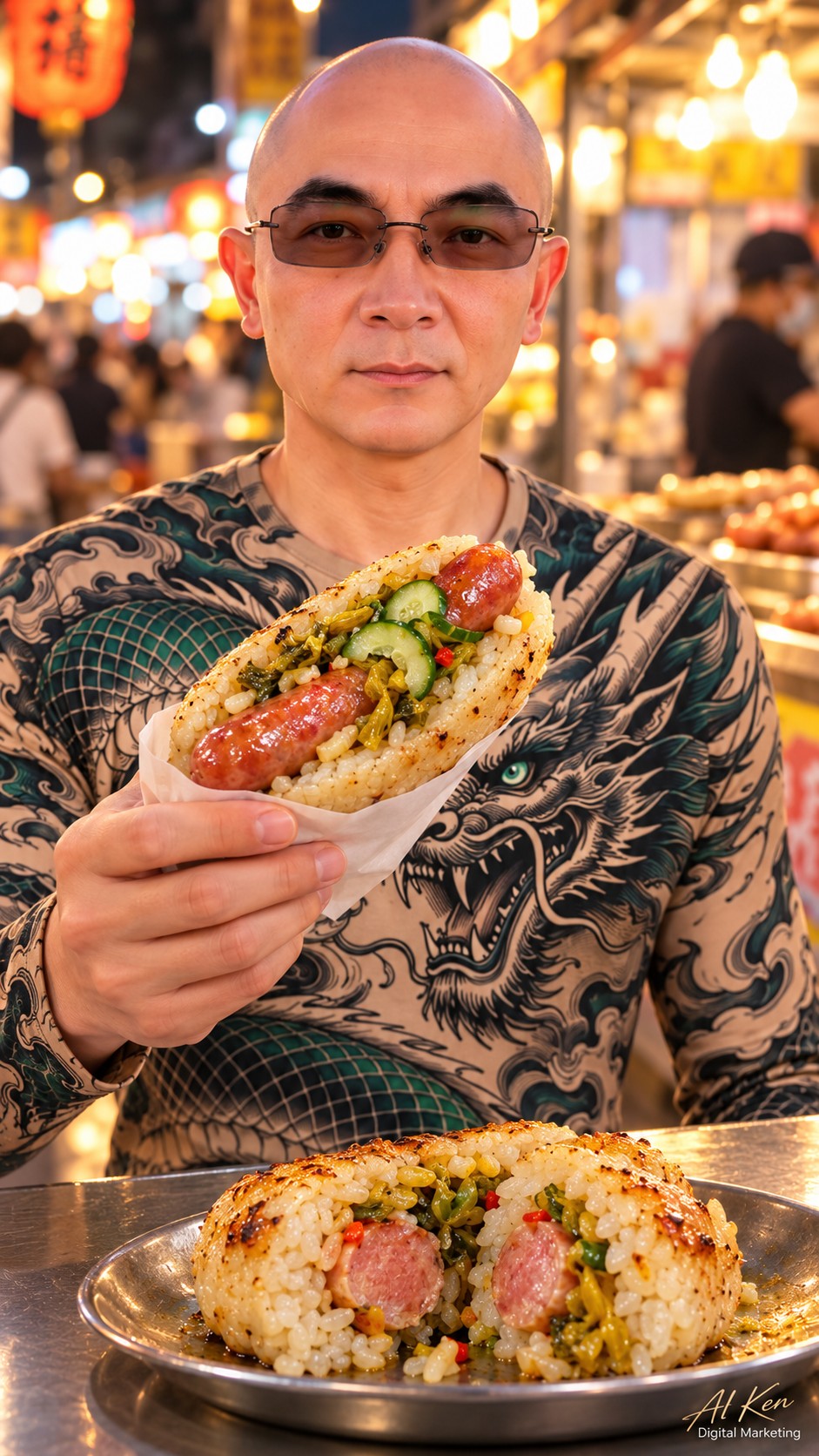
The name describes a smaller sausage held inside a larger one. In this dish, the outer component is a sticky rice sausage, cut open along its length. A Taiwanese pork sausage sits inside, creating a convenient handheld serving.

The phrase "sticky rice bun" helps explain its shape, but the outer layer is made with sticky rice rather than bread. Visible rice grains and a pleasantly chewy bite are central to its character.

Grilled Rice and Pork Sausage Bring Contrasting Textures

Grilling gives the sticky rice sausage a lightly toasted surface while the inside remains chewy. The pork sausage adds a savory flavor that often carries a gentle sweetness, depending on its recipe.

Together, the rice and meat offer a satisfying contrast. The precise texture, seasoning and degree of browning vary with the ingredients and the vendor's cooking method.
AI Ken presenting Taiwanese pork sausage inside a split sticky rice sausage

Garlic, Pickled Greens and Other Toppings

Toppings help make each serving different. Depending on the stall, choices may include raw garlic, pickled mustard greens, cucumber, cilantro, peanut powder, basil or chili. Sauces also vary. These are possible additions, rather than ingredients included in every version.

Garlic brings a sharp aroma, pickled vegetables add tangy contrast, and cucumber offers a fresh crunch. Some vendors keep the combination simple so the rice and sausage remain the main focus.

Ask about the available toppings before ordering. You can explore different combinations or request adjustments where the vendor offers them.

Local Stalls Offer Their Own Interpretations

Across Taiwan, vendors put their own approach into Da Chang Bao Xiao Chang. Rice sausage size, pork sausage seasoning, grilling style, sauces and toppings can differ, even between stalls in the same market.

One serving is an introduction to the dish. Trying different local versions is a way to discover which balance of rice, meat and accompaniments you enjoy.

How to Enjoy This Taiwanese Street Food

  1. Choose your preferred toppings and sauce from the options available at the stall.
  2. Hold the snack securely in its serving sleeve or wrapper, keeping the paper away from the bite area.
  3. Allow the freshly cooked food to cool slightly.
  4. Take a small bite that includes rice, sausage and toppings to experience their flavors together.
  5. Enjoy the contrast between chewy rice, savory meat and the accompaniments you selected.
Taiwanese sausage in a sticky rice bun close-up artwork with AI Ken

Discover the Flavor at a Taiwan Night Market

Hear the grill sizzle, explore the available toppings and enjoy a freshly prepared serving. This combination of sticky rice and Taiwanese sausage makes a memorable stop on a local food adventure.

Welcome to Taiwan to taste Taiwanese sausage in a sticky rice bun!

The images and video on this page are AI-generated illustrations for food and cultural storytelling. Actual ingredients, portions and presentation vary by vendor. This page does not represent a specific stall.

AI Ken Digital Marketing
Discover Taiwan through food and visual storytelling.
https://www.lk168.url.tw/

上一個 回列表 下一個